
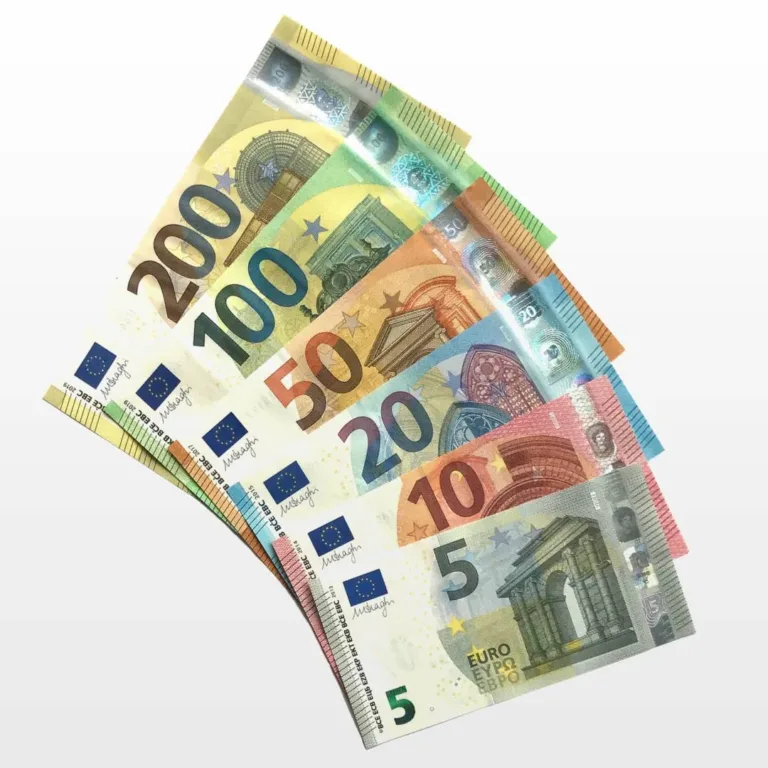
The euro banknote design — iconic symbols of Europe’s economic unity — are much more than pieces of currency. They are meticulously designed works of art, combining cultural symbolism, advanced security technology, accessibility features, and a visual language that reflects the values and identity of Europe itself.
As a trusted currency exchange provider, Silk Road Currency Exchange believes that understanding the story behind the euro — especially its design — enriches your experience whether you’re exchanging money for travel, business, or investment. In this article, we explore the intricate design elements of euro banknotes, what they represent, and why they matter.
A Symbol of European Integration
The euro banknotes were introduced on January 1, 2002, marking a historic milestone in European monetary integration. The European Central Bank (ECB) is responsible for the design and issuance of all euro banknotes, ensuring a consistent look and feel across all euro-area countries.
Unlike many national currencies that highlight specific cultural monuments or historical figures, euro banknotes embrace a continent-wide narrative. They depict abstract architectural styles rather than real landmarks — a deliberate choice meant to represent shared European heritage without favoring any single country. European Central Bank
The “Ages and Styles of Europe” Theme
The design theme of euro banknotes revolves around the “Ages and styles of Europe.” Each denomination represents a different architectural era, symbolizing Europe’s rich cultural and historical evolution.
These stylized designs depict windows and gateways on the front and bridges on the back, with each motif reflecting the respective era’s architectural elements. It’s important to note that none of the bridges or windows are actual real-world structures — they are fictional, symbolic designs created to convey broad architectural periods.
Here’s how the denominations align with architectural styles:
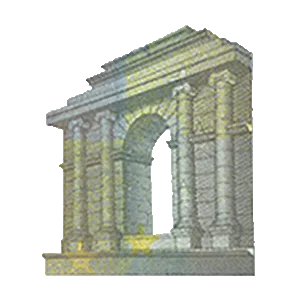 | €5 | Classical |
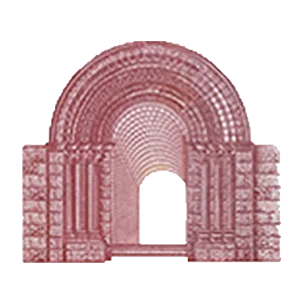 | €10 | Romanesque |
 | €20 | Gothic |
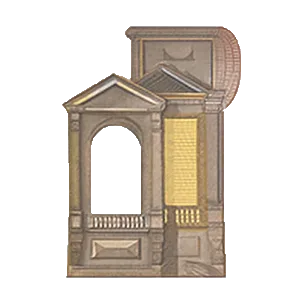 | €50 | Renaissance |
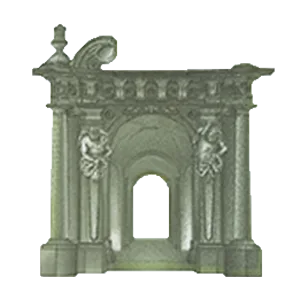 | €100 | Baroque & Rococo |
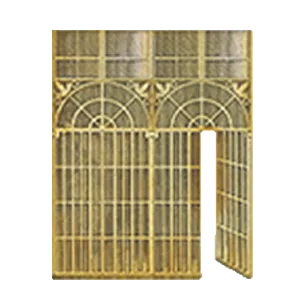 | €200 | 19th-century iron & glass |
This thematic approach emphasizes a shared cultural foundation, fostering a sense of unity among diverse nations. European Central Bank
Design Elements That Speak Volumes
Euro banknotes carefully balance symbolism, function, and practicality. Some core design elements include:
Windows & Gateways – Europe’s Spirit of Openness
The front of each note features windows and gateways — universal symbols of openness, cooperation, and mutual trust. These designs metaphorically invite people into Europe’s shared economic space.
Bridges – Connection Across Borders
On the reverse side, bridges symbolize communication and connection — not only among European nations but also between Europe and the wider world.
Distinct Colours & Sizes
Each denomination uses distinct colours and sizes to make differentiation intuitive and user-friendly. Larger notes are physically bigger, and colours range from grey (€5) to yellow-brown (€200). European Central Bank
EU Identity: Flags and Scripts
Banknotes also include:
- The EU flag
- The name “euro” in Latin (EURO), Greek (ΕΥΡΩ), and Cyrillic (ЕВРО) alphabets
- The initials of the European Central Bank (ECB) in multiple language variants to reflect linguistic diversity within the EU
The Europa Series — A Safer, Smarter Euro
Beginning in 2013, the ECB introduced the Europa series, named after the figure Europa from Greek mythology. This second series wasn’t just a refresh of the design — it brought significant security enhancements to help combat sophisticated counterfeiting attempts.
Why the Europa Series Matters
- More robust security features
- Enhanced durability, reducing wear
- A revised map of Europe that includes countries such as Malta and Cyprus, even if some very small islands don’t appear due to printing limitations
Princess Europa appears subtly in new security features — including watermarks and holograms — tying cultural narrative to counterfeit deterrence. Bundesbank
Printing works and letters
| Nationale Bank van België/Banque Nationale de Belgique | Z |
| Bank of Greece | Y |
| Giesecke & Devrient GmbH (Munich) | X |
| Giesecke & Devrient GmbH (Leipzig) | W |
| IMBISA | V |
| Banque de France | U |
| Central Bank of Ireland | T |
| Banca d’Italia | S |
| Bundesdruckerei GmbH | R |
| Joh. Enschede Security Printing BV | P |
| Oesterreichische Banknoten und Sicherheitsdruck GmbH | N |
| Valora | M |
| Not assigned | L |
| Not assigned | K |
| De La Rue Currency (Gateshead) | J |
| De La Rue Currency (Loughton) | H |
| Not assigned | G |
| Oberthur Fiduciaire AD (Sofia) | F |
| Oberthur Fiduciaire SAS (Chantepie) | E |
| Polska Wytwórnia Papierów Wartościowych | D |
| Not assigned | C |
| Not assigned | B |
| Not assigned | A |
Advanced Security Features — Guarding the Euro
Euro banknotes include a range of features that make authenticity easy to check without special tools:
Feel, Look, and Tilt Method
This quick method helps people verify legitimate banknotes using three senses:
- Feel: Raised print and tactile marks
- Look: Watermarks and clear images when held up to light
- Tilt: Dynamic holographic elements that shift when the note is moved European Central Bank
Emerald Numbers & Portrait Windows
Higher-denomination notes in the Europa series (e.g., €100 and €200) have:
- Emerald numbers — colour-changing numerals that shift under light
- Portrait windows — transparent sections in the hologram with an embedded image of Europa Bundesbank
These sophisticated elements not only improve security but also demonstrate how modern design and technology can merge beautifully.
Accessibility — Designed for All
Euro banknotes were developed with input from users with visual impairments. Tactile lines, varying sizes, distinctive colours, and raised printing help those with sight challenges recognize denominations confidently and independently.
The Future of Euro Banknote Design
Although current euro banknotes retain the iconic “ages and styles” theme, the ECB has recently initiated discussions considering a future redesign, possibly featuring European cultural figures or natural motifs such as birds and rivers. This would mark the first major redesign since the euro’s launch over two decades ago. Reuters
While such plans are still under development and expected to unfold over the coming years, it highlights the evolving nature of money as both a practical tool and a cultural narrative. The Guardian
What It Means for Currency Exchange
Understanding the design and security of euro banknotes can help customers:
- Identify genuine bills
- Appreciate the cultural significance of the currency they’re exchanging
- Enhance trust in the notes they receive during transactions
- Stay informed about upcoming changes to Europe’s cash system
At Silk Road Currency Exchange, we stay updated on all developments in global currencies so you can exchange confidently — whether you’re preparing for travel, business, or investment.
Anti-Counterfeiting and Cryptographic Security in Euro Banknotes
One of the most critical aspects of euro banknote design is its advanced anti-counterfeiting system, which combines physical security features with cryptographic-grade production controls. These measures ensure trust, protect consumers, and maintain the integrity of the euro across global financial markets.
Why Anti-Counterfeiting Matters
Counterfeit banknotes undermine confidence in cash, disrupt financial systems, and cause direct losses to businesses and individuals. For currency exchange services such as Silk Road Currency Exchange, verifying authenticity is essential to maintaining secure, reliable transactions. The European Central Bank (ECB) addresses this risk by embedding multiple, layered security mechanisms into every euro banknote.
Multi-Layered Physical Security Features
Euro banknotes are protected using a “security-in-depth” approach. Instead of relying on a single feature, the ECB integrates several technologies that are extremely difficult to replicate simultaneously.
1. Raised Intaglio Printing
Special printing techniques create raised ink that can be felt by touch. This tactile feature:
- Helps visually impaired users identify notes
- Makes counterfeiting with standard printers nearly impossible
2. Watermarks and Embedded Security Threads
When held up to the light, genuine euro banknotes reveal:
- A multi-tone watermark showing architectural motifs or Europa’s portrait
- A dark security thread with micro-text embedded inside the paper
These elements are created during paper manufacturing, not added afterward — a key barrier for counterfeiters.
Optically Variable & Motion-Based Features
3. Holograms and Portrait Windows
Modern euro banknotes, especially in the Europa series, include:
- Holographic stripes or patches that change images when tilted
- Transparent portrait windows in higher denominations (€20 and above)
These dynamic effects rely on nanostructures that are extremely expensive and technically complex to reproduce.
4. Emerald Number Technology
The denomination number appears to move and change color (from green to blue) when the note is tilted. This motion-based feature is easy for the public to check but highly resistant to digital copying.
Cryptographic Logic Behind Banknote Production
While euro banknotes are physical objects, their security management follows cryptographic principles similar to those used in digital security systems.
Unique Serial Numbers
Each banknote carries a unique serial number that:
- Allows traceability across production batches
- Enables statistical detection of counterfeit clusters
- Helps central banks monitor circulation anomalies
This mirrors cryptographic concepts such as unique identifiers and non-repeatable tokens used in secure digital systems.
Controlled Printing & Secure Supply Chains
Euro banknotes are produced only by authorized printing works under strict ECB oversight. Design files, printing plates, and production data are protected using:
- Encrypted systems
- Access-controlled environments
- Secure key-management procedures
This ensures that even if counterfeiters know what features exist, they cannot access the cryptographic-level controls needed to reproduce them.
Machine-Readable Security Features
In addition to features visible to the public, euro banknotes contain covert elements designed for professional authentication:
- Infrared and ultraviolet patterns
- Magnetic inks
- Micro-coding detectable only by banking machines
These features allow:
- ATMs and cash-sorting machines to instantly detect counterfeits
- Financial institutions and exchange offices to authenticate large volumes of cash efficiently
Human Verification: “Feel, Look, Tilt”
Despite advanced cryptographic logic and machine verification, the ECB intentionally designs banknotes so any person can verify authenticity without tools. The widely promoted “feel, look, and tilt” method acts as a human-friendly security protocol, reducing reliance on technology in everyday transactions.
What This Means for Currency Exchange Customers
For customers of Silk Road Currency Exchange, these advanced anti-counterfeiting and cryptographic safeguards mean:
- Higher confidence in the authenticity of exchanged euros
- Lower risk of counterfeit exposure
- Greater stability and trust in cash-based international transactions
By understanding how euro banknotes are protected, customers can exchange currency with assurance — knowing that every legitimate note represents one of the most secure physical currencies in the world.
Conclusion
Euro banknotes aren’t just money — they are symbols of unity, culture, and modern design. From their architectural motifs and security innovations to features that make them accessible to all users, these banknotes tell the story of Europe in every transaction.
Whether you’re exchanging euros for the first time or you’re a seasoned traveler, knowing the thoughtful design behind each note enriches your financial journey.
For more insights into global currencies and smart exchange practices, keep exploring content at Silk Road Currency Exchange — your trusted partner in navigating the world of foreign exchange.
FAQ
Who designs euro banknotes?
Euro banknotes are designed and issued by the European Central Bank (ECB) in cooperation with the national central banks of euro-area countries.
What is the main theme of euro banknote design?
The main theme is “Ages and Styles of Europe,” representing major architectural periods in European history through symbolic, non-real structures.
Why don’t euro banknotes show real buildings or people?
To remain politically neutral and represent all euro-area countries equally, the ECB chose fictional architectural designs instead of real landmarks or national figures.
What do the bridges on euro banknotes symbolize?
The bridges symbolize connection, cooperation, and unity between European nations and between Europe and the rest of the world.
What do the windows and gateways represent?
They represent openness, communication, and opportunity, reflecting Europe’s values of collaboration and transparency.
What is the Europa series of euro banknotes?
The Europa series is the second generation of euro banknotes, introduced from 2013 onward, featuring improved security and durability.
Who is Europa on euro banknotes?
Europa is a figure from Greek mythology, whose portrait appears in holograms and watermarks as a symbol of Europe’s cultural heritage.
How can I check if a euro banknote is genuine?
You can verify authenticity using the “Feel, Look, and Tilt” method:
1. Feel the raised print
2. Look for watermarks and security threads
3. Tilt to see holograms and color-changing numbers
What are the main anti-counterfeiting features of euro banknotes?
Key features include:
1. Raised intaglio printing
2. Watermarks and security threads
3. Holograms and portrait windows
4. Emerald (color-shifting) numbers
Do euro banknotes use cryptographic security?
While physical, euro banknotes follow cryptographic principles such as unique serial numbers, controlled production, encrypted design systems, and machine-readable security elements.
Are euro banknotes machine-readable?
Yes. They contain covert features like magnetic ink, infrared patterns, and UV elements used by ATMs and cash-sorting machines.
Why are euro banknotes different sizes?
Each denomination has a distinct size to help users, especially those with visual impairments, easily identify notes by touch.
Are euro banknotes accessible for visually impaired users?
Yes. They include tactile marks, raised printing, size variation, and strong color contrasts to improve accessibility.
Why do euro banknotes have different colors?
Distinct colors help users quickly differentiate denominations and reduce the risk of payment errors.
Are old euro banknotes still valid?
Yes. First-series euro banknotes remain legal tender, although they are gradually being replaced by Europa series notes.
Can euro banknotes be used outside Europe?
Euro banknotes are widely accepted and exchanged globally, especially in international travel and trade.
How secure is the euro compared to other currencies?
The euro is considered one of the most secure physical currencies in the world due to its layered anti-counterfeiting technologies.
Will euro banknotes be redesigned in the future?
The ECB is exploring future redesign themes, but any new banknotes would be introduced gradually and remain compatible with existing cash systems.
Why is understanding banknote design important for currency exchange?
Knowledge of banknote design helps identify genuine notes, avoid counterfeits, and build confidence when exchanging foreign currency.
How does Silk Road Currency Exchange ensure euro authenticity?
Silk Road Currency Exchange follows strict verification procedures, combining professional authentication tools with expert knowledge of euro security features to ensure safe and reliable exchanges.